
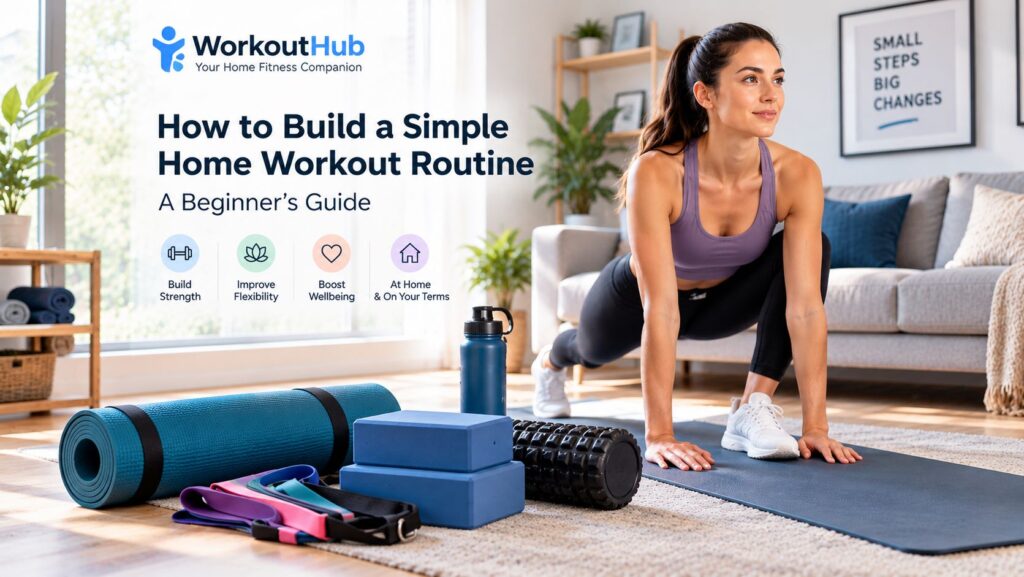
How to Build a Simple Home Workout Routine: A Beginner’s Guide
Starting a fitness routine doesn’t have to mean joining a gym, buying expensive equipment, or following a complicated workout plan.
With a little planning, you can create a home workout routine that fits your schedule, available space, and fitness goals. Whether you want to build strength, improve flexibility, or simply move more throughout the day, the key is to start with manageable steps and stay consistent.
At WorkoutHub — Your Home Fitness Companion, our goal is to help you make home fitness more practical with useful guidance, accessible workout ideas, and equipment designed to support your routine.
1. Start With a Clear Fitness Goal
Before choosing exercises or equipment, decide what you want to achieve.
Your goal doesn’t need to be complicated. You might want to:
- Build strength and improve muscular endurance.
- Improve flexibility and balance.
- Develop a regular exercise habit.
- Support mobility and recovery after physical activity.
- Create a convenient workout routine at home.
Choose one or two priorities to begin with. Having a clear direction makes it easier to select suitable exercises and track your progress.
2. Create a Workout Space at Home
You don’t need a dedicated home gym to get started. A small, uncluttered area with enough room to move safely may be all you need.
Consider setting up a space with:
- An exercise or yoga mat for floor-based movements.
- Resistance bands for adjustable resistance exercises.
- Yoga blocks to help support balance and modify certain poses.
- A foam roller for gentle self-massage as part of your mobility routine.
Start with the equipment that supports your chosen activities. You can add more items as your routine develops rather than purchasing everything at once.
3. Build a Balanced Weekly Routine
A useful beginner routine includes a mix of movement, strength exercises, flexibility work, and recovery.
Here is an example of how you might organize your week:
Monday — Full-Body Strength
Try beginner-friendly movements such as chair squats, wall push-ups, and resistance-band exercises.
Tuesday — Flexibility and Mobility
Spend time on comfortable stretches and controlled movements that support your range of motion.
Wednesday — Light Activity
Take a walk or choose another comfortable activity that keeps you moving without making the day feel like a demanding workout.
Thursday — Full-Body Strength
Repeat familiar exercises and adjust the difficulty gradually as your ability improves.
Friday — Yoga or Gentle Stretching
Use a short, comfortable session to practice balance, breathing, and flexibility.
Weekend — Rest or Enjoyable Movement
Choose rest, walking, or another activity that suits your energy level and schedule.
This is only an example, not a rigid prescription. Adjust the routine to your current fitness level, health needs, and available time. Beginners can start with shorter sessions and gradually build up.
4. Choose Equipment That Matches Your Routine
Fitness equipment should make your workouts more convenient, not more complicated.
Exercise Mat
An exercise mat provides a defined surface for floor exercises, stretching, yoga, and Pilates. Look for suitable cushioning, grip, and dimensions for your space and activities.
Resistance Bands
Resistance bands offer a portable option for exercises that challenge different muscle groups. Choose a resistance level that allows you to maintain controlled movement and good technique.
Yoga Blocks
Yoga blocks can bring the floor closer to you in certain poses and provide support when practicing balance or flexibility. They can be especially useful when you’re learning new positions.
Foam Rollers
Foam rollers are commonly used for self-massage and may help some people feel less stiff after exercise. Apply comfortable pressure, avoid rolling directly over joints or injured areas, and stop if you experience pain.
You can explore the relevant fitness accessories at WorkoutHub and choose items that fit your needs and budget.
5. Make Consistency Easier
One of the biggest challenges for beginners is maintaining a routine after the initial excitement fades.
A few practical habits can help:
- Schedule your workouts: Choose realistic times that fit your day.
- Start small: A short session you can repeat is often more manageable than an ambitious plan.
- Track your progress: Record completed workouts, exercise variations, or improvements in technique.
- Keep your equipment accessible: A tidy workout area can make it easier to get started.
- Allow time for recovery: Rest and adequate sleep are important parts of a sustainable routine.
Progress doesn’t always mean doing more repetitions or exercising longer. Better control, improved consistency, and greater confidence are meaningful signs of development too.
6. Avoid Common Beginner Mistakes
When starting a home workout routine, avoid these common pitfalls:
Doing too much too soon: Increase exercise difficulty gradually instead of pushing through excessive fatigue.
Copying advanced workouts: Choose movements and modifications that match your current ability.
Ignoring technique: Controlled, comfortable movement is more important than rushing through repetitions.
Buying unnecessary equipment: Identify your needs first and purchase items that support your actual routine.
Skipping recovery: Give your body time to adapt between demanding sessions.
Stop exercising if you experience sharp pain, chest pain, faintness, or unusual shortness of breath. Seek appropriate medical care for concerning symptoms, and consult a qualified healthcare professional if you have health concerns that may affect exercise.
7. Build a Routine That Works for You
The best home workout routine is one that fits your life and that you can maintain over time.
Start with a clear goal, choose a few manageable exercises, create a comfortable workout space, and build consistency before making your routine more demanding.
You don’t need a perfect setup to begin. You need a practical starting point and a plan that can grow with you.
At WorkoutHub — Your Home Fitness Companion, we’re here to help you explore home workout ideas, learn about fitness accessories, and make informed choices as you develop your routine.
Explore our fitness equipment and discover more practical guides to support your home fitness journey.
Disclaimer: This article provides general educational information and is not a substitute for individualized medical advice or professional exercise instruction. Choose activities appropriate for your abilities and seek qualified guidance when needed.